Saturday, February 9, 2013
Wine: Barefoot Cellars Lodi Zinfandel
The Barefoot Cellars Lodi Zinfandel is a $7 wine, but it had some kind of Gold Medal sticker on the neck so I tried it. The first sip was bland, tasteless, slightly OFF and not good. I set it aside. As it oxidized and warmed to room temperature over the next 30-50 minutes, the flavor woke up and it tasted pretty good. This is one of those examples of a wine that has to breathe before its drinkable. I suspect that if they used a proper cork instead of the plastic/rubber artificial cork it would be better. I also suspect that were this blended with Cab and Merlot, it would make a really good wine. I'm tempted to try their Red blend next time and see. Barefoot Cellars is from Santa Rosa, my home town.

Thursday, February 7, 2013
Wine: Red: Menage a Trois (vineyards)
I got a job, at a local company. I'm very pleased about this. To celebrate, I have purchased several different Zinfandels, in the $6-7/btl range. I will review them in following days, as they are uncorked and tasted.
The first, which I am tasting now is called Menage a Trois: Red. Its a blend of Zinfandel, Merlot, and Cabernet Sauvignon. Its... WOW. A very full bodied red. The Zin and cab are both peppery and loaded with cherry flavors, a hint of peach and maybe apple. The merlot rounds it out and smooths its finish as a lingering aftertaste. I really recommend this wine. I plan to buy it again. Its fantastic.
You really appreciate good wines after drinking bad ones. The $2 Buck Chuck equivalent wasn't very good, but I could afford it and cheap wine is better than no wine at all. Then they jacked up their price 25% and removed them from the modest discount list. I said: "huh?" Then this job turns up and I can afford to spend a little more and get a lot more. Wine is, after all, good for you. Remember that men are allowed, according to doctors, two drinks per day because it reduces stress and prevents heart disease. Those are good things.
The first, which I am tasting now is called Menage a Trois: Red. Its a blend of Zinfandel, Merlot, and Cabernet Sauvignon. Its... WOW. A very full bodied red. The Zin and cab are both peppery and loaded with cherry flavors, a hint of peach and maybe apple. The merlot rounds it out and smooths its finish as a lingering aftertaste. I really recommend this wine. I plan to buy it again. Its fantastic.
You really appreciate good wines after drinking bad ones. The $2 Buck Chuck equivalent wasn't very good, but I could afford it and cheap wine is better than no wine at all. Then they jacked up their price 25% and removed them from the modest discount list. I said: "huh?" Then this job turns up and I can afford to spend a little more and get a lot more. Wine is, after all, good for you. Remember that men are allowed, according to doctors, two drinks per day because it reduces stress and prevents heart disease. Those are good things.
TOP GEAR: Smallest Car... In The World
Anthropology in Peak Oil
Peak Oil is a kind of crash. And abrupt uncontrollable ending of a crucial supply which has allowed a complex civilization to survive and flourish. When these crashes have happened in the past, most of the cultures affected vanished, died. The surviving population sometimes moved away, other times took on new identities and created new culture for themselves. We're in that situation now. The Roman empire collapsed over four centuries. Things today tend to fall faster, thanks to increased complexity and interdependence. The way through the crash to a sustainable post-oil future is Localism, not Globalism.
Before oil, and coal, world population was 1.2 billion. Labor was a mix of human and animal (horse, oxen, camel, mule) for all our agriculture and transportation. We had ships to carry goods around the world, carried by the wind. Before coal, we had no real electricity generation, so no telegraph, no telephone, and lights were made with clean burning Whale Oil lamps.
Back then that was high technology, and bragging about your imported goods was a way to show how wealthy you were. Both genders do this. All cultures have this. Even the Tibetans have ground gemstones for their sand paintings. Those don't come cheap. Most of Tibet are actually cattle ranchers, but the Dalai Lama is rarely quoted commenting on that. I only know it because I watched a televised science panel on soil and pasture management on the Tibetan Plateau which had American specialists from University of Idaho as guest lecturers. That's also where I saw the presentation of the paper proving the cause of the last ice age was the rise of the Himalayas. It was very interesting, and its impacted human development since we predate, as a species, the Pleistocene but are all descendents, at least the Asians and Caucasians, of the survivors. We adapted to climate change, than adapted again when the ice age retreated. Most geologists expect it to return eventually. Current data shows glaciation can happen in less than 40 years. All it really takes is for more snow to fall than melts. That's it.
Oil has let us specialize many jobs, and produce many labor saving tools so our adult population has time and energy to make more population. The world is nearly 7 billion now. And the oil is running out. The fear mongers worry that the sudden end of cheap oil will cause a universal temper tantrum and the general population of the world will strike out for the last little bits of oil, killing us back by half or more or our total population just to delay the failure of the strongest, the last standing. This is possible, but I don't think its likely. Thanks to some good fortune, and probably a lot of assassinations of foreign nationals who were about to commit acts of terrorism, an abrupt end of oil isn't happening. We've getting a slope instead. And this is very fortunate.
Studying cultures that collapsed, many happened abruptly, in just a few events. Some took centuries, but some lost it all in a battle. Quite a few died in wars over resources. Many more died due to drought, which after studying the subject myself for the last decade is the #1 killer of civilizations. Water. Fuel is something that saves labor, but Water = Food and without Food, no civilization is more than 3 meals from rebellion. You can live without Fuel (Energy) for machines, but you can't live without Water. Water has ended many civilizations. The Maya died out because their wells ran dry for 60 years. Droughts LINGER in the Americas. The Hohokam died out from drought. The Anasazi died from drought, turned evil and were wiped out completely by their descendents, the Hopi, Navajo, and Pueblo. I don't say that lightly. I've read a white paper on findings on a house where cannibalism was performed. The Anasazi must have been very evil to earn that kind of response.

Water controls life. This is painfully obvious for a Westerner like me. I have been all over the Western states and you only find people where there is water. The Humboldt River in northern Nevada is a populated agricultural swath curving around mountain ranges and across valleys and eventually falls into the Carson Sink, where it ends. It used to be a huge Pleistocene Lake called Lake Lahontan, with the Carson Sink the deepest part.

Do you see why Pleistocene geology is fascinating? Btw, Black Rock Desert is where they hold Burning Man every year, and where at a different time, they hold the ultra long range national rifle marksmanship competition, where 2 miles is the starting distance, and the basic rifle is a .50 caliber browning. The bit west of Pyramid Lake is Susanville, Walker Lake is NE of Bridgeport, which is just north of Mono Lake, which is due East of Yosemite and North of June Lakes, which used to be a huge glacier, now massively retreated to the tops of the Sierra. The lake above was internal drainage, meaning there was nowhere for it to flow out. The Shoshone and Paiute tribes lived there. Probably the Miwok as well if they were around. Understand it wasn't just a lake. With that much water around there would be forests, willows, cottonwoods, cedars on the mountain slopes, aspen everywhere. There would have been native brown trout, and many many migratory birds that would winter there and summer in the Arctic Tundra, assuming they stuck to the parts without ice.
I would love to see this lake refilled, perhaps with water diverted from the Columbia River through Oregon, and a portion coming down into this lake system. A thousand miles of aqueduct, sump pumps, and more aqueduct is need to make this happen, but it will be the largest irrigation project since the Nile. And it will pay for itself as it goes. Everywhere the water goes, there will be a real estate boom. Every dry lake will fill, and the birds will come back. Fish, geese, ducks, flamingos, and pelicans (which winter in Montana). Moving all the roads, setting up the towns and causeways to deal with the water will be expensive and time consuming, for sure. Will the payoff be worth it? Well, wouldn't you want to live there? Fantastic views, no pollution, infrastructure engineered in modern methods and materials, unlimited fishing and boating, and a couple thousand miles of easily developed lakeshore property and dock fees? Oh yeah. Big time real estate profits. This is something which will eventually happen, but probably not till we get used to life after fossil fuels. There's a tremendous amount of work which must be done first.
First, we have to accept the end of oil and gradually move away from our prior conceits. Easy travel is over. Moving people around is energy intensive. We've had it really good, but that's over. That means giving up solo driving in heavy vehicles. No more commuting via SUV unless you're hauling every seat full of other people. That means eating locally when possible, and accepting high food prices for distant goods. That means manufacturing and maintenance of goods, repair in particular. So buy for quality you can fix, not cheapness you can replace. This is a significant shift in mindset, something which only happened due to expensive labor and cheap imports. That means either building SAFE nuclear power (which is possible, just more labor) and using co-generation as much as possible, or using Solar panels to decrease demand on the power grid. That means shifting out of globalism and into local production and consumption.
And that work is coming up with alternative sources of electrical power. I support Cheap Solar because its something that can be done with local materials (Arsenic and Selenium are in river water in California) and happens to be green because you're taking them out of the environment where they've been toxic waste and turning them into renewable power, which is Double Green. Win-win, y'all!
And that's the most important difference for our civilization over prior ones. We DO have the knowledge and means to pass through this crash and recover. It will take work, and we will have to lower our living standards and expectations, but once we do, we'll have a sustainable life style which can last indefinitely, particularly once we implement water projects like the Oregon-Nevada Aqueduct into Lake Lahontan, the Frasier River Aqueduct into the Ogalalla Aquifer refilling project, which restores the Great Plains into useful agricultural land once more, and cheap solar can be combined with cheap desalination and pumping to irrigate deserts with clean sea water (with the salt removed) which will allow the deserts to grow food. Throw in genetically engineered perennial wheat and rice and corn, and suddenly feeding the world is much easier to do, and the population won't be nearly so endangered from droughts we can't control. This is an achievable form of Terraforming in a place that matters: Earth. It where all the people are.
This is my answer to the dieoff apocalyptics. Science can save us. Do your part or get out of the way.
Before oil, and coal, world population was 1.2 billion. Labor was a mix of human and animal (horse, oxen, camel, mule) for all our agriculture and transportation. We had ships to carry goods around the world, carried by the wind. Before coal, we had no real electricity generation, so no telegraph, no telephone, and lights were made with clean burning Whale Oil lamps.
Oil has let us specialize many jobs, and produce many labor saving tools so our adult population has time and energy to make more population. The world is nearly 7 billion now. And the oil is running out. The fear mongers worry that the sudden end of cheap oil will cause a universal temper tantrum and the general population of the world will strike out for the last little bits of oil, killing us back by half or more or our total population just to delay the failure of the strongest, the last standing. This is possible, but I don't think its likely. Thanks to some good fortune, and probably a lot of assassinations of foreign nationals who were about to commit acts of terrorism, an abrupt end of oil isn't happening. We've getting a slope instead. And this is very fortunate.
Studying cultures that collapsed, many happened abruptly, in just a few events. Some took centuries, but some lost it all in a battle. Quite a few died in wars over resources. Many more died due to drought, which after studying the subject myself for the last decade is the #1 killer of civilizations. Water. Fuel is something that saves labor, but Water = Food and without Food, no civilization is more than 3 meals from rebellion. You can live without Fuel (Energy) for machines, but you can't live without Water. Water has ended many civilizations. The Maya died out because their wells ran dry for 60 years. Droughts LINGER in the Americas. The Hohokam died out from drought. The Anasazi died from drought, turned evil and were wiped out completely by their descendents, the Hopi, Navajo, and Pueblo. I don't say that lightly. I've read a white paper on findings on a house where cannibalism was performed. The Anasazi must have been very evil to earn that kind of response.
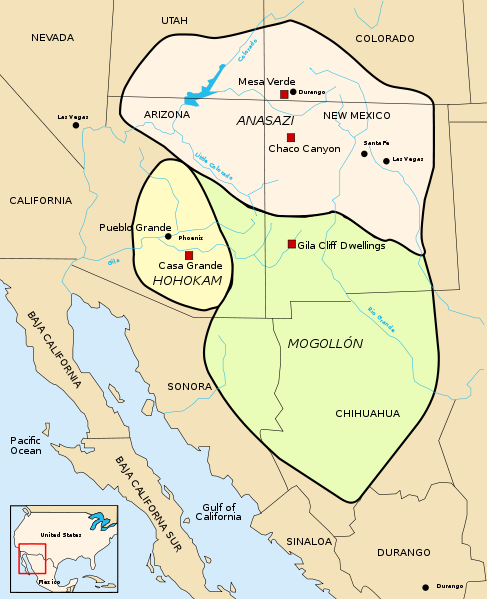
Water controls life. This is painfully obvious for a Westerner like me. I have been all over the Western states and you only find people where there is water. The Humboldt River in northern Nevada is a populated agricultural swath curving around mountain ranges and across valleys and eventually falls into the Carson Sink, where it ends. It used to be a huge Pleistocene Lake called Lake Lahontan, with the Carson Sink the deepest part.
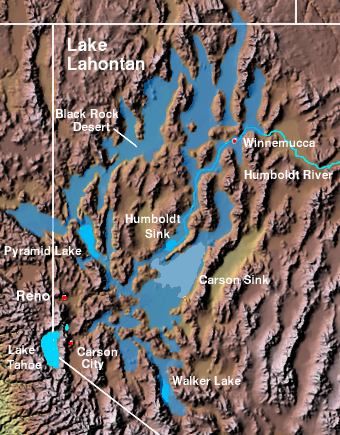
Do you see why Pleistocene geology is fascinating? Btw, Black Rock Desert is where they hold Burning Man every year, and where at a different time, they hold the ultra long range national rifle marksmanship competition, where 2 miles is the starting distance, and the basic rifle is a .50 caliber browning. The bit west of Pyramid Lake is Susanville, Walker Lake is NE of Bridgeport, which is just north of Mono Lake, which is due East of Yosemite and North of June Lakes, which used to be a huge glacier, now massively retreated to the tops of the Sierra. The lake above was internal drainage, meaning there was nowhere for it to flow out. The Shoshone and Paiute tribes lived there. Probably the Miwok as well if they were around. Understand it wasn't just a lake. With that much water around there would be forests, willows, cottonwoods, cedars on the mountain slopes, aspen everywhere. There would have been native brown trout, and many many migratory birds that would winter there and summer in the Arctic Tundra, assuming they stuck to the parts without ice.
I would love to see this lake refilled, perhaps with water diverted from the Columbia River through Oregon, and a portion coming down into this lake system. A thousand miles of aqueduct, sump pumps, and more aqueduct is need to make this happen, but it will be the largest irrigation project since the Nile. And it will pay for itself as it goes. Everywhere the water goes, there will be a real estate boom. Every dry lake will fill, and the birds will come back. Fish, geese, ducks, flamingos, and pelicans (which winter in Montana). Moving all the roads, setting up the towns and causeways to deal with the water will be expensive and time consuming, for sure. Will the payoff be worth it? Well, wouldn't you want to live there? Fantastic views, no pollution, infrastructure engineered in modern methods and materials, unlimited fishing and boating, and a couple thousand miles of easily developed lakeshore property and dock fees? Oh yeah. Big time real estate profits. This is something which will eventually happen, but probably not till we get used to life after fossil fuels. There's a tremendous amount of work which must be done first.
First, we have to accept the end of oil and gradually move away from our prior conceits. Easy travel is over. Moving people around is energy intensive. We've had it really good, but that's over. That means giving up solo driving in heavy vehicles. No more commuting via SUV unless you're hauling every seat full of other people. That means eating locally when possible, and accepting high food prices for distant goods. That means manufacturing and maintenance of goods, repair in particular. So buy for quality you can fix, not cheapness you can replace. This is a significant shift in mindset, something which only happened due to expensive labor and cheap imports. That means either building SAFE nuclear power (which is possible, just more labor) and using co-generation as much as possible, or using Solar panels to decrease demand on the power grid. That means shifting out of globalism and into local production and consumption.
And that work is coming up with alternative sources of electrical power. I support Cheap Solar because its something that can be done with local materials (Arsenic and Selenium are in river water in California) and happens to be green because you're taking them out of the environment where they've been toxic waste and turning them into renewable power, which is Double Green. Win-win, y'all!
And that's the most important difference for our civilization over prior ones. We DO have the knowledge and means to pass through this crash and recover. It will take work, and we will have to lower our living standards and expectations, but once we do, we'll have a sustainable life style which can last indefinitely, particularly once we implement water projects like the Oregon-Nevada Aqueduct into Lake Lahontan, the Frasier River Aqueduct into the Ogalalla Aquifer refilling project, which restores the Great Plains into useful agricultural land once more, and cheap solar can be combined with cheap desalination and pumping to irrigate deserts with clean sea water (with the salt removed) which will allow the deserts to grow food. Throw in genetically engineered perennial wheat and rice and corn, and suddenly feeding the world is much easier to do, and the population won't be nearly so endangered from droughts we can't control. This is an achievable form of Terraforming in a place that matters: Earth. It where all the people are.
This is my answer to the dieoff apocalyptics. Science can save us. Do your part or get out of the way.
Geo-science
Geology is the general term for the various branches of geoscience, which are themselves broken down into specialties. I am a geologist. I studied them all, but not very deeply since specializing requires at least a Masters and more likely a Doctorate to take the title that goes with it.
A Paleontologist covers ancient to modern life forms and their remnants. Most of those are shells, some are skeletons, and very few are dinosaurs from the movies. That dinosaur specialty is very popular with kids, so it gets funding and you better speak Spanish since the best digs are in Argentina. You can get started in Canada, the tundra, and Wyoming, of course. If you opt to study mammals from after the big KT impact, there's lots of them found in South Dakota and California worth studying. Many of the bones sitting in Berkeley's paleo storage warehouse are largely untouched, just waiting for a paleotologist to get started. Its not QUITE as sexy as dinosaurs, but some of these critters were hunted by man, and the weather is better here.
Seismologists get to travel a lot. There are earthquakes faults in many countries, often underneath major cities. Seismologists do some very high end math, trenching through old landslides for historic data, and using geophone instruments in various locations to communications networks to report their findings. My friend Stacey got her doctorate in that. The single most unlucky person I've ever met. She says she's very lucky to survive so many disasters, but I'd compare her to Teela Brown from the Ringworld books. Not quite lucky enough to not be there in the first place. Stacey spent years doing Fourier Transform and Analysis calculations. She spent a couple years programming in Fortran to try and make use of sensing data for the deep crust 100-160 km down in relation to earthquakes which affect the surface. She didn't think it was a big deal but I was rather impressed. Her modelling work on fracturing and seismicity landed her a job at a major oil company, since it had applications to finding really deep pools of oil. My feeling on seismic work is to focus on earthquake damage predictions and timing for highly populated places, like the West coast of the USA and Canada and Japan, Taiwan, Italy, and Indonesia, where big quakes can kill a lot of people. China has had some killer quakes in the last decade as well, some of them quite devastating. Good data would help identify which buildings are unsafe and what can be retrofitted and what standards need to be updated so new buildings might not fall down. In Chile and Peru, it is now common for adobe brick buildings to have layers of bamboo between them since it provides tensile strength, like cheap rebar. Chile and Peru are on a subduction boundary so quakes there tend to throw things into the air. The boundary on the Oregon and Washington coast is the same. Big vertical movement, 9.6 quakes possible. I think offering data for potential quakes is a valuable contribution. I wish my friend was doing that, but we all make our choices. She's got a family to care for. Even science has to take a back seat to raising kids. I used to have a terrible crush on her, but I got over it.
Geochemists often end up working in mining. They find the minerals and predict where the rare earth elements have ended up. Thanks to high tech relying on obscure and very rare elements, there's a lot of need for geochemists and mining engineers. The gold mines where I live are starting to reopen. There's lots of lithium over in a particular valley in Nevada and more in Bolivia, needed for electric car batteries. Many types of solar panel use rare earth elements, but the best chemistry version can pull the needed elements out of agricultural runoff here in California. If our Wastewater engineers were aware, they'd probably be selling them. Of course, the patent holders for that design would need to have a manufacturer signed to making them rather than bickering forever. Mining Engineering, Geochemistry, and Economic Geology all tie in together so a scientist with one of the degrees usually gets the other too. Petroleum geology is a further specialization, but honestly I think we already have all of those that we need until the oil runs out. While there's money in the short term, eventually the price of extraction will cut profits so badly you're better off doing something else with your time. Gold is extremely valuable, but how many gold miners are there? Not many. Too much competition and too refined an industry for the big profits of the old days.
Another branch of geology is Vulcanology. This is not the study of Hephaestus and how worship of technology has made the crippled and ugliest of Greeko-Roman gods relevant once more, though it has. Nor is it the study of pointy eared Austistic aliens on bad scifi TV shows. Vulcanology is the study of volcanoes. You might think that volcanoes are old and silly, but Mount Pinatubo and Mount Unzen and quite a few other volcanoes remain very much active and a threat to modern populations. And sometimes they blow up really big. I'll set aside the very well publicized calderas and super-volcanoes. They go off very rarely and they change climate for years or decades. The smaller ones are still a major problem.
Mount Aetna is due to go off soon, btw. Anytime, really. As the people living near volcanoes tend to be brave to the point of suicide, I recommend, as a scientist, to give them the warning then leave them to their fate. Some people are just Darwin Awards. That's how it is. Quite a few people stayed in the shadow of Mount Pinatubo, and others tried crossing rivers of boiling mud and barely had time to scream before they died boiled alive. Really horrible way to go. The ash from a volcanic eruption stays hot for days to weeks depending on how thick it is. If its really thick, it will melt back together, making a rock called an Ash Tuff. This rock is commonly found on the surface near volcanoes and is often exposed as cliffs since it typically erodes fast. There's a really nice one north of Bishop, CA. Welded Tuff, which stayed hot longer so is stronger, makes a good building material. The Romans used it a lot, and they weren't the only civilization that did. The heads on Easter Island are made of Welded Tuff. Its used in buildings on Scotlands, Wales, Saxony, various parts of America, and the American Indians carved homes out of it in some cases. Then they died from silicosis, but that's another story...
Vulcanology impacts cities in a similar way to earthquakes. There are big volcanoes all around the Pacific Rim, and they do erupt. They're reasonably easy to predict these eruptions most of the time, since they occur with patterns of detectible phenomenon, such as harmonic tremors which remote sensing equipment will pick up. The job itself is still evolving but is mostly that of monitoring and maintenance of the detection grids and their data. Only the really stupid or unlucky folks die. The French couple Maurice and Katia Krafft were studying Mount Unzen and brought a bunch of news photographers with them. They got hit by a pyroclastic flow seconds after answering this question: "That's a big cloud. Are we safe here?" "Oh, we're fine. It's not coming this way. FOOOM! shrrch!".
The Krafft's were one of the founding examples of the Darwin Awards, in case you were wondering. This above video is one that will make a bar full of drunk geologists go silent. No really. Nothing scares us more than Pyroclastic flows, which is what we call that cloud. Its 1200'C and will burn your body to cinders in moments, but its one of the most painful ways to die that's known. We consider Vulcanology to be a job for very brave men and women. Most geology jobs are about hiking and studying stuff long after it has happened. Vulcanology is often stuff happening now or very recently and on a scale that you sometimes can't escape in time. Very brave. Darwin is in our purview. We don't want to get those kinds of Awards.
The final specialization of geoscience is that of ancient environments, known as Stratigraphy. Please note that we don't call ourselves "Environmental Scientists" or "Climatologists" because that's a new and unrelated discipline which is, honestly, in serious need of proper review. Many of its practitioners are blatant liars and incompetents and deserve to be charged with fraud and have their funding recovered by the National Science Foundation.
Con Men who can bandy math around go into Climatology because it gets you into the cocktail and talk show circuit and its biggest funders are non-scientists who can't do the math at all, so can't tell they're being lied to and cheated. There are very few geologists listed as sources for the famous climate report of 2006, the one that claimed the Arctic sea ice would be gone by 2011. Ahem. There were many insane and unsupportable claims made in that publication, and it's fit only for lining a bird cage. Most of the conclusions are not supported and the ones that are are really quite mundane and well known to Glaciologists. I would put Climatologists and their publications at the same level of competence as the Red Scare documents fabricated by that demagogue Joseph McCarthy.
Ironically, it seems McCarthy was right in the long run. We've gone Socialist despite it failing everywhere it's been tried. Profit Motive works. Socialism always fails because always leads to laziness. The trouble is that unlimited Capitalism leads to mass unemployment, which then feeds retaliatory Socialism and or civil war and govt sponsored assassination of political enemies. We're seeing the consequences of Useless Eaters in our current failing model of socialism, and the burden on the Working Class is breaking Capitalism and breaking any hope of fair taxation. This leads to the sort of division that end in violence. I don't want that.
I like to see real science held to a higher standard than popular cults like Climatology handwave past. And for clarification: yes, Global Warming is a fact. It happened 19,500 years ago and triggered the big melting and sea level rises. Most of the flood myths are a direct result of glacial ice dams breaking, resulting in huge and often periodic floods all over the world, downstream from glaciers.
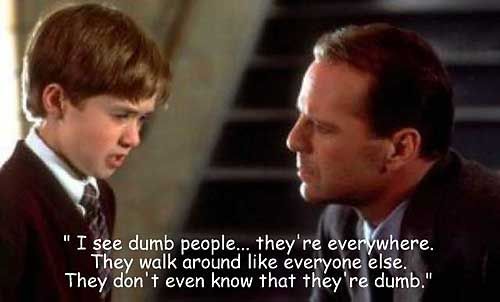
Current climate issues like high temperatures, droughts, storms, and other extremes? Completely typical according to stratigraphic records. Climate is often variable. Predictable climate is actually the anomaly. Of course, its not as newsworthy, and climate cycles are often longer than human lifespans so the Rule of Dumb takes precedence. The short version is that Dumb People are everywhere and often put in charge where they can do less damage.
 This is also known as the Peter Principle. My last employer was a big fan. Apparently this is now the de facto level of rigor in popular science. It makes me very sad. It should make you sad too.
A Paleontologist covers ancient to modern life forms and their remnants. Most of those are shells, some are skeletons, and very few are dinosaurs from the movies. That dinosaur specialty is very popular with kids, so it gets funding and you better speak Spanish since the best digs are in Argentina. You can get started in Canada, the tundra, and Wyoming, of course. If you opt to study mammals from after the big KT impact, there's lots of them found in South Dakota and California worth studying. Many of the bones sitting in Berkeley's paleo storage warehouse are largely untouched, just waiting for a paleotologist to get started. Its not QUITE as sexy as dinosaurs, but some of these critters were hunted by man, and the weather is better here.
Seismologists get to travel a lot. There are earthquakes faults in many countries, often underneath major cities. Seismologists do some very high end math, trenching through old landslides for historic data, and using geophone instruments in various locations to communications networks to report their findings. My friend Stacey got her doctorate in that. The single most unlucky person I've ever met. She says she's very lucky to survive so many disasters, but I'd compare her to Teela Brown from the Ringworld books. Not quite lucky enough to not be there in the first place. Stacey spent years doing Fourier Transform and Analysis calculations. She spent a couple years programming in Fortran to try and make use of sensing data for the deep crust 100-160 km down in relation to earthquakes which affect the surface. She didn't think it was a big deal but I was rather impressed. Her modelling work on fracturing and seismicity landed her a job at a major oil company, since it had applications to finding really deep pools of oil. My feeling on seismic work is to focus on earthquake damage predictions and timing for highly populated places, like the West coast of the USA and Canada and Japan, Taiwan, Italy, and Indonesia, where big quakes can kill a lot of people. China has had some killer quakes in the last decade as well, some of them quite devastating. Good data would help identify which buildings are unsafe and what can be retrofitted and what standards need to be updated so new buildings might not fall down. In Chile and Peru, it is now common for adobe brick buildings to have layers of bamboo between them since it provides tensile strength, like cheap rebar. Chile and Peru are on a subduction boundary so quakes there tend to throw things into the air. The boundary on the Oregon and Washington coast is the same. Big vertical movement, 9.6 quakes possible. I think offering data for potential quakes is a valuable contribution. I wish my friend was doing that, but we all make our choices. She's got a family to care for. Even science has to take a back seat to raising kids. I used to have a terrible crush on her, but I got over it.
Geochemists often end up working in mining. They find the minerals and predict where the rare earth elements have ended up. Thanks to high tech relying on obscure and very rare elements, there's a lot of need for geochemists and mining engineers. The gold mines where I live are starting to reopen. There's lots of lithium over in a particular valley in Nevada and more in Bolivia, needed for electric car batteries. Many types of solar panel use rare earth elements, but the best chemistry version can pull the needed elements out of agricultural runoff here in California. If our Wastewater engineers were aware, they'd probably be selling them. Of course, the patent holders for that design would need to have a manufacturer signed to making them rather than bickering forever. Mining Engineering, Geochemistry, and Economic Geology all tie in together so a scientist with one of the degrees usually gets the other too. Petroleum geology is a further specialization, but honestly I think we already have all of those that we need until the oil runs out. While there's money in the short term, eventually the price of extraction will cut profits so badly you're better off doing something else with your time. Gold is extremely valuable, but how many gold miners are there? Not many. Too much competition and too refined an industry for the big profits of the old days.
Another branch of geology is Vulcanology. This is not the study of Hephaestus and how worship of technology has made the crippled and ugliest of Greeko-Roman gods relevant once more, though it has. Nor is it the study of pointy eared Austistic aliens on bad scifi TV shows. Vulcanology is the study of volcanoes. You might think that volcanoes are old and silly, but Mount Pinatubo and Mount Unzen and quite a few other volcanoes remain very much active and a threat to modern populations. And sometimes they blow up really big. I'll set aside the very well publicized calderas and super-volcanoes. They go off very rarely and they change climate for years or decades. The smaller ones are still a major problem.
Vulcanology impacts cities in a similar way to earthquakes. There are big volcanoes all around the Pacific Rim, and they do erupt. They're reasonably easy to predict these eruptions most of the time, since they occur with patterns of detectible phenomenon, such as harmonic tremors which remote sensing equipment will pick up. The job itself is still evolving but is mostly that of monitoring and maintenance of the detection grids and their data. Only the really stupid or unlucky folks die. The French couple Maurice and Katia Krafft were studying Mount Unzen and brought a bunch of news photographers with them. They got hit by a pyroclastic flow seconds after answering this question: "That's a big cloud. Are we safe here?" "Oh, we're fine. It's not coming this way. FOOOM! shrrch!".
The Krafft's were one of the founding examples of the Darwin Awards, in case you were wondering. This above video is one that will make a bar full of drunk geologists go silent. No really. Nothing scares us more than Pyroclastic flows, which is what we call that cloud. Its 1200'C and will burn your body to cinders in moments, but its one of the most painful ways to die that's known. We consider Vulcanology to be a job for very brave men and women. Most geology jobs are about hiking and studying stuff long after it has happened. Vulcanology is often stuff happening now or very recently and on a scale that you sometimes can't escape in time. Very brave. Darwin is in our purview. We don't want to get those kinds of Awards.
The final specialization of geoscience is that of ancient environments, known as Stratigraphy. Please note that we don't call ourselves "Environmental Scientists" or "Climatologists" because that's a new and unrelated discipline which is, honestly, in serious need of proper review. Many of its practitioners are blatant liars and incompetents and deserve to be charged with fraud and have their funding recovered by the National Science Foundation.
Con Men who can bandy math around go into Climatology because it gets you into the cocktail and talk show circuit and its biggest funders are non-scientists who can't do the math at all, so can't tell they're being lied to and cheated. There are very few geologists listed as sources for the famous climate report of 2006, the one that claimed the Arctic sea ice would be gone by 2011. Ahem. There were many insane and unsupportable claims made in that publication, and it's fit only for lining a bird cage. Most of the conclusions are not supported and the ones that are are really quite mundane and well known to Glaciologists. I would put Climatologists and their publications at the same level of competence as the Red Scare documents fabricated by that demagogue Joseph McCarthy.
Ironically, it seems McCarthy was right in the long run. We've gone Socialist despite it failing everywhere it's been tried. Profit Motive works. Socialism always fails because always leads to laziness. The trouble is that unlimited Capitalism leads to mass unemployment, which then feeds retaliatory Socialism and or civil war and govt sponsored assassination of political enemies. We're seeing the consequences of Useless Eaters in our current failing model of socialism, and the burden on the Working Class is breaking Capitalism and breaking any hope of fair taxation. This leads to the sort of division that end in violence. I don't want that.
I like to see real science held to a higher standard than popular cults like Climatology handwave past. And for clarification: yes, Global Warming is a fact. It happened 19,500 years ago and triggered the big melting and sea level rises. Most of the flood myths are a direct result of glacial ice dams breaking, resulting in huge and often periodic floods all over the world, downstream from glaciers.
Current climate issues like high temperatures, droughts, storms, and other extremes? Completely typical according to stratigraphic records. Climate is often variable. Predictable climate is actually the anomaly. Of course, its not as newsworthy, and climate cycles are often longer than human lifespans so the Rule of Dumb takes precedence. The short version is that Dumb People are everywhere and often put in charge where they can do less damage.
Monday, February 4, 2013
Landscapes
The first half hour of Prometheus is pretty. I'm not a fan of horror movies, but I'll probably bear with it. The first Alien gave me nights mares, screaming nightmares, for a couple decades. For pure horror, Alien nails it. Prometheus is this big thing on the Internet, both because its full of symbols and because apparently people with a Trillion $ to spend on space exploration don't know about basic safety.
The holographic displays are wonderful, though the alien ones really suck. Its amazing how they can build ships that fly without visible propulsion, yet are unable to protect themselves from bioweapons. This is an example of "don't turn over that rock" type of scifi. The best known version of this was Godzilla, or even Frankenstein since technically that was scifi. Why did they shock the alien head in an open lab? What? Anyway, Prometheus has some moments which are pretty, but they don't focus on those nearly enough. What I liked about the Prometheus scenes is the landscapes.

Most of the photography seems to be pans across Iceland. Lots of braided streams. I like the landscapes, but as a Geologist I would. I know what they mean. I read them like a botanist reads flowers or a librarian reads books. My enthusiasm is both professional and aesthetic. They used some of Isle of Skye (Scotland) for scenery in the film, and other bits looked like Iceland. In cold places, soils don't develop very fast so the rocks stay exposed. The bacteria need more heat to do their thing and turn sand, silt, and clay into soil that can support life. These have been around for a billion years or more. Life that left shells behind has been around for over half a billion, but we know there were bacterial colonies, algae, and worms before those, possibly as much as 3.6 billion years ago. During the last Ice Age, scotland was covered in glaciers, thus the lack of soil makes perfect sense. East of Scotland, the ice sheet went all the way to the sea floor so the North Sea? It was a dry plain. Its only 300 feet deep today, and it filled thanks to some Pleistocene Flood Events that came out of Germany. The Great Flood wasn't a biblical thing, but there were several of those, including the one that formed the Black Sea, it was a real thing, or things would be more accurate.
If I ever figure out how to actually share bits of Google Earth here, I'll do so. There's some fascinating alluvial fans near Death Valley, in brilliant green and blue. There's places where the stream channels from eroding cliffs have filled and spread and overlapped into the lake sediments below, creating sharp color contrasts. Death Valley was a lake 6,000 years ago, Lake Manly. America back then was filled with Pleistocene lakes from all the ice melt runoff. Some were shallow. There were more active volcanoes then too. Now its a salt pan where the river that wraps around the Black Mountains from the NE to E to S and back N again from the south end of the valley, where the Garlock fault has subsided the ground there, that's how the water gets in. Once, it was a deep lake. Then it was a shallow warm lake with fish and pink flamingos and North American hippos frolicking. They're long since extinct, following the Great Warming from 19,500 years ago to around 10,000 years ago. The weather settled down after that.
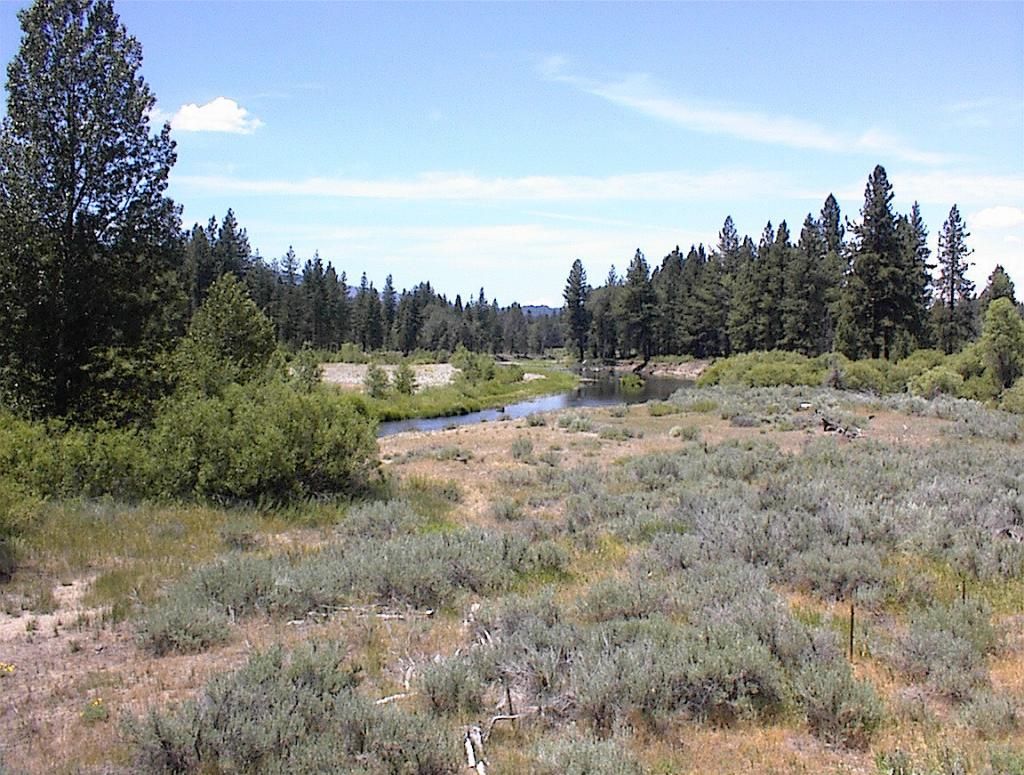
The Earth has many beautiful places. Some of them are really empty. Most are, actually. Despite a population of nearly 7 Billion, we mostly live on the coasts where the rivers flow to the sea. The easy places to port a ship, and a reason to bother. Geography of civilizations are interesting. When you consider how much has changed since the Ice Age took a break, since its not actually ENDED, just RESTING. We're doing our thing as human beings, civilization and exploration, because the ice melted for a while. It will come back. And we'll have beautiful glaciers to enjoy then too. And I'm okay with that. If I'm around when it happens, I plan to make special trips, because glaciers are pretty and surprisingly active, even if they're a bit harsh on the humidity levels since air off a glacier is bone dry.

This is why I love picking a random place on Google Earth and staring at it. Some places are so fascinating from the air you find yourself asking: Why isn't this place full of people enjoying the view? And the answer is often: No geographic reason for trade in this place, no resources to live, thus no point but the view. When you observe programs about world travel you find places which are fascinating and worth investigating in the program, see it from the various angles. It makes me wonder how these places smell, what animal cries can be heard when you stop to listen.
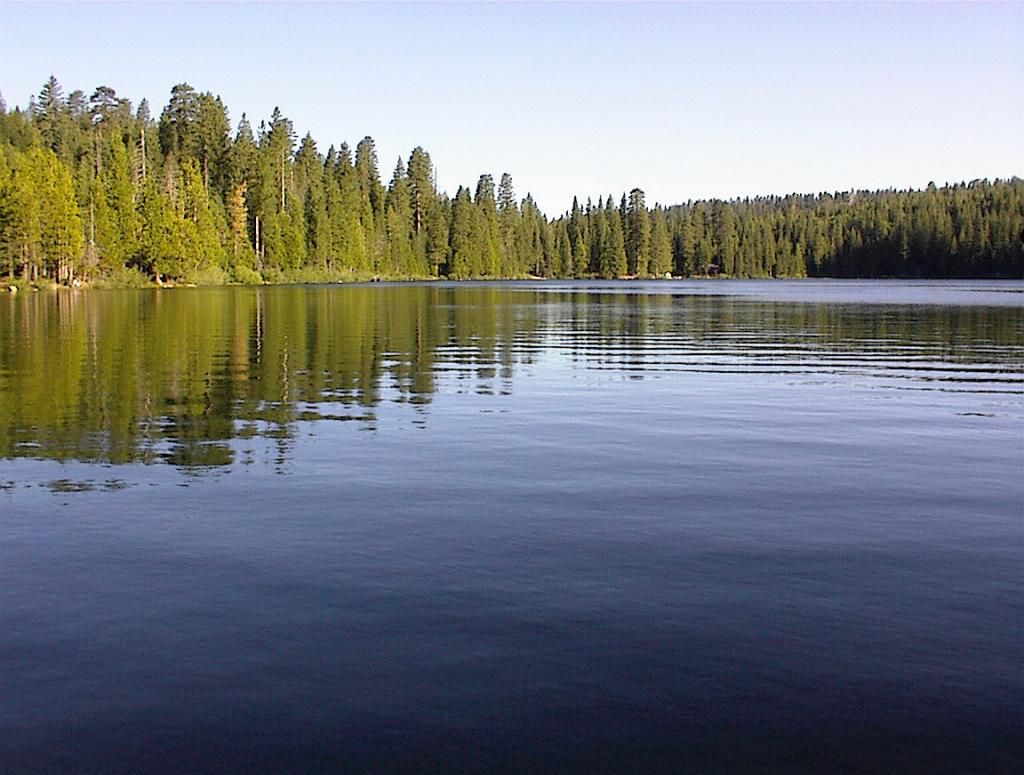
As a writer I care about those details because those details are what bring a place into focus. Too many beginning authors are too into action or dialogue and writing properly is so much more complex, so much deeper. This is why I enjoy reading Jeremy Clarkson's writing. Man is a hideous yobbo, in the British Parlance, but he's a very skilled writer, particularly in evocation. He uses imagery and popular culture references so very well, which is a big part of why Top Gear is a GREAT show, not just a car show doing reviews. Quality is in those evocative phrases. He could be a travel writer if his comedy wasn't about being an Ugly Britain. Clarkson loves to call Hammond the Secret American, but its pretty obvious Clarkson is a dyed in the wool hillbilly redneck. He just has an English accent. Instead of describing landscapes in the show, he has the BBC crews film them beautifully and is apparently quite involved with setting up shots. He's actually a professional. So yes, his writing is worth reading because he's really good at it. So good you get distracted by what he's saying and miss how well he's saying it.
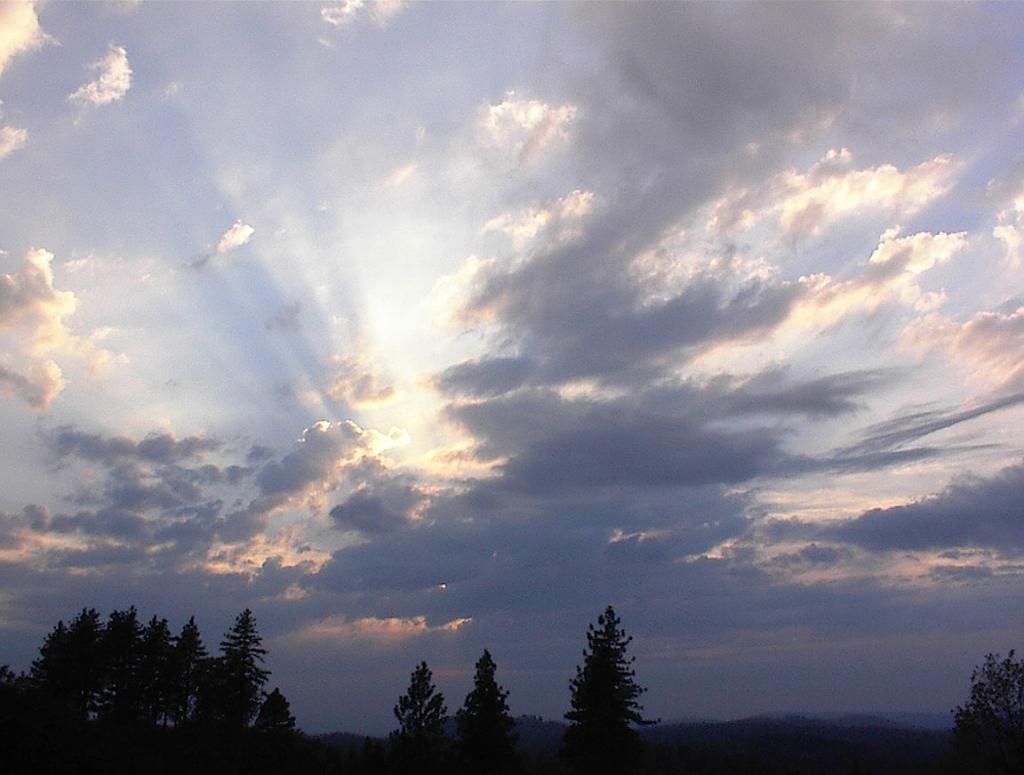
For now, I photograph landscapes and skies that gain my attention. Maybe its cliche. I don't care. It's what I like.
Sunday, February 3, 2013
Tevas, Birkenstocks, and Finding the Balance Between Ecology and Economics
When my wife first moved in with me, she unpacked a pair of Teva sandals with scorpion designs in the straps. Tevas are adjustible and don't poke between your toes so they're really the only sandals that fit me. I wore those things all the time. In retrospect, I should have bought my own instead of always stealing hers, but she also snagged my rock hammer for in-car protection, so I guess we're even? Anyway, when I moved out of UnPton, I left her sandals in her storage space and took only my own property with me.
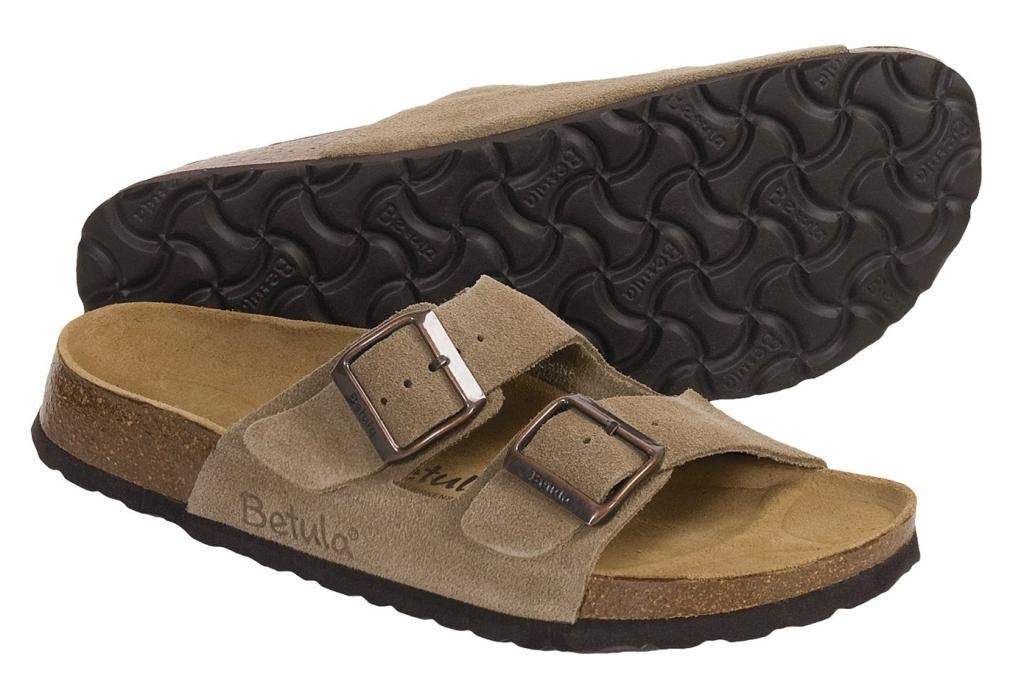
My mother owned a pair of Birkenstocks, from the early 1970s, that she used to wear around the house. Mom was a nurse and was on her feet all day. You really want your feet to breathe after something like that. Birkenstocks are formed leather, very high quality, very comfortable, durable, and repairable. They're really the ultimate sandal, and they mark you as a Hippie or Hippie Sympathizer. Its often a sign you are an extremist. Its weird how that evolved, but gun racks are the equivalent Conservative Sign, as are NRA stickers. Even though firearms have little to do with politics. Think I'm wrong? Visit the countryside sometime. Lots of Farmers vote Democrat, the same politicians trying to prevent them from protecting their calves and lambs from coyotes, calves and lambs which months or years later will be paying for their mortgage. Firearms aren't politics. They're just an easy button to push. Sandals aren't politics either, but they sort of became such.

As a former Boy Scout, with extensive camping, hiking, backpacking, running, bicycling, and even boating experience, I love the outdoors. I love taking pictures of nature, and going to majestic places, to observing animals and watching the sunrise and the sunset. I love to see stormy skies. Blue skies are boring. I don't fit either extreme that the Washington DC politicians try to pretend exists. It really doesn't. Neither political party serves the middle. They're both bound and controlled by their extremists and its hurting everybody. The Middle are the ones who work for a living, after all. We're the ones paying the taxes and making the food, fixing the roads and bridges, paying all the bills. The extremists are parasites.
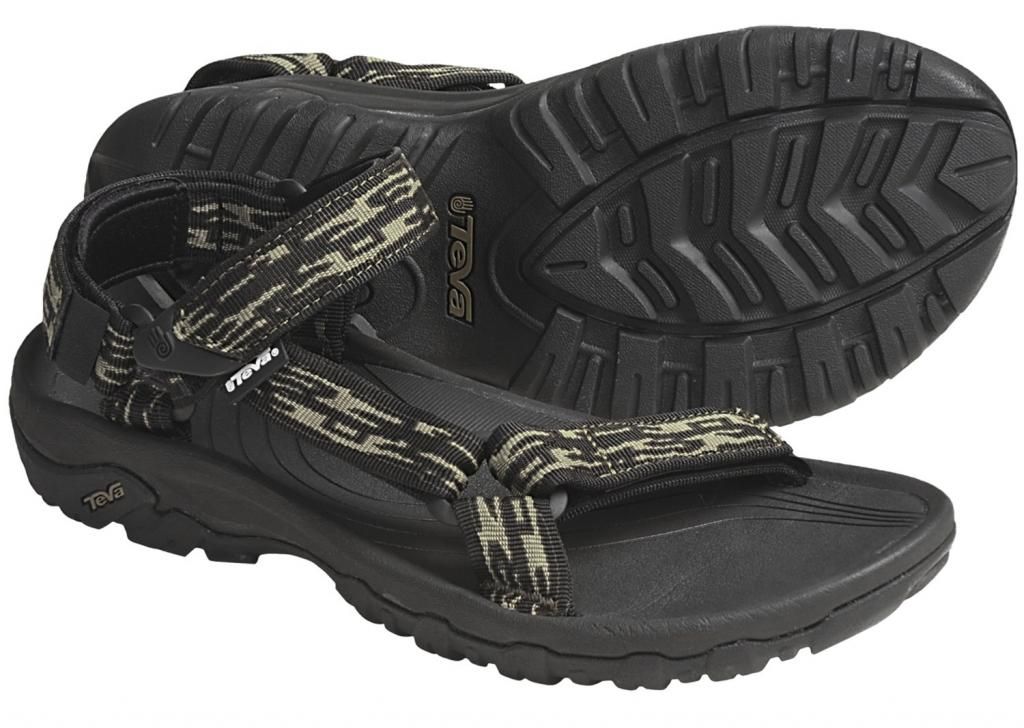
In this context, I have been walking around barefoot because we're having a drought, and blue skies, and temps in the mid-to-upper 60's. Its slightly chilly in the shade, but the sun feels so good. I have been opening the windows every afternoon and letting the breeze float through. I want my feet to breathe too, and I won't be defined as a pure-Hippie type, not as a gun owner who doesn't hunt (I don't. I did animal rescue). I want sandals. I miss my wife's Tevas. So I bought my own. Just now.
 As you can see, they're cast rubber with a basic tread on the bottom and fabric with velcro to stay attached to your foot. A good functional design, and will last for years. Considering I have shirts older than some of my friends, this is no exaggeration. They also cost about 1/3 as much as Birkenstocks do. I know for a fact I can drive a car in these, and shop for groceries, if I'm wearing socks, and nobody bats an eyelash. Up here, many people walk around in Tevas or Birkenstocks, particularly on warm days. In the summer, 105'F is common. The last few years its been cooler, in the upper 90's instead, but still. Sandals are handy when you don't want to sweat all the time. They are functional, and practical.
And that time I rode that scooter? I was wearing Tevas. Not the best safety gear, but it worked out okay, and it was a warm summer day in Newport Beach. Embrace comfort and don't be an Extremist.
My mother owned a pair of Birkenstocks, from the early 1970s, that she used to wear around the house. Mom was a nurse and was on her feet all day. You really want your feet to breathe after something like that. Birkenstocks are formed leather, very high quality, very comfortable, durable, and repairable. They're really the ultimate sandal, and they mark you as a Hippie or Hippie Sympathizer. Its often a sign you are an extremist. Its weird how that evolved, but gun racks are the equivalent Conservative Sign, as are NRA stickers. Even though firearms have little to do with politics. Think I'm wrong? Visit the countryside sometime. Lots of Farmers vote Democrat, the same politicians trying to prevent them from protecting their calves and lambs from coyotes, calves and lambs which months or years later will be paying for their mortgage. Firearms aren't politics. They're just an easy button to push. Sandals aren't politics either, but they sort of became such.
As a former Boy Scout, with extensive camping, hiking, backpacking, running, bicycling, and even boating experience, I love the outdoors. I love taking pictures of nature, and going to majestic places, to observing animals and watching the sunrise and the sunset. I love to see stormy skies. Blue skies are boring. I don't fit either extreme that the Washington DC politicians try to pretend exists. It really doesn't. Neither political party serves the middle. They're both bound and controlled by their extremists and its hurting everybody. The Middle are the ones who work for a living, after all. We're the ones paying the taxes and making the food, fixing the roads and bridges, paying all the bills. The extremists are parasites.
In this context, I have been walking around barefoot because we're having a drought, and blue skies, and temps in the mid-to-upper 60's. Its slightly chilly in the shade, but the sun feels so good. I have been opening the windows every afternoon and letting the breeze float through. I want my feet to breathe too, and I won't be defined as a pure-Hippie type, not as a gun owner who doesn't hunt (I don't. I did animal rescue). I want sandals. I miss my wife's Tevas. So I bought my own. Just now.
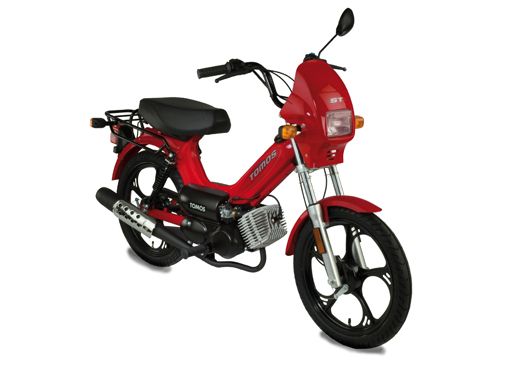 | |
| Tomos Underbone Scooter |
And that time I rode that scooter? I was wearing Tevas. Not the best safety gear, but it worked out okay, and it was a warm summer day in Newport Beach. Embrace comfort and don't be an Extremist.
Subscribe to:
Posts (Atom)